A well-crafted CV states what you can do; a strong portfolio proves it inside three minutes. Yet most portfolios miss the mark for the exact same reason: they dump thirty silent visuals onto a page without explaining the client’s problem, real-world constraints or the creator’s actual role.
Whether you work in graphic design, software engineering, UX, copywriting, photography, data analysis or social media, here is what belongs inside a professional portfolio and how to structure it so visitors turn into interviews and signed projects.
1. Curate ruthlessly: 4 to 6 strong case studies beat 25 average pieces
Hiring managers and clients judge your reliability by the weakest piece you leave visible. Cut dated student exercises and work you no longer want to be hired for.
- Showcase 4 to 6 in-depth case studies aligned with the roles or clients you want next.
- Put your strongest project first and your second-strongest project last — the two slots people remember best.
2. Five building blocks every complete portfolio needs
A persuasive portfolio goes beyond a thumbnail grid and brings together five clear elements:
- An unmistakable opening positioning line: who you are, what you specialise in, where you operate (“Brand & web designer in Dakar working locally and remotely”) and whom you help.
- 4 to 6 structured case studies.
- A concise 3-to-4-step process overview showing clients or teams how smoothly you work.
- Verifiable trust signals: short approved client quotes, organisations supported, measured outcomes, or live links to shipped products and code.
- Frictionless contact: one-click copyable e-mail, clean enquiry form or business WhatsApp link, alongside your downloadable CV.
3. Structuring each project: the 5-step case study anatomy
Now that generative AI can spit out polished standalone visuals in seconds, documenting your thinking has become your clearest proof of senior judgment — a core pillar of getting by in the age of AI. Walk every project through five short beats:
- 1. Context and role: client industry, timeframe, and your exact contribution (solo delivery vs team role).
- 2. The business or user problem: what wasn’t working beforehand? (fragmented brand identity, slow mobile checkout, new product launch, low engagement).
- 3. Process and trade-offs: include one sketch, wireframe, layout grid or rejected direction explaining *why* the final route won.
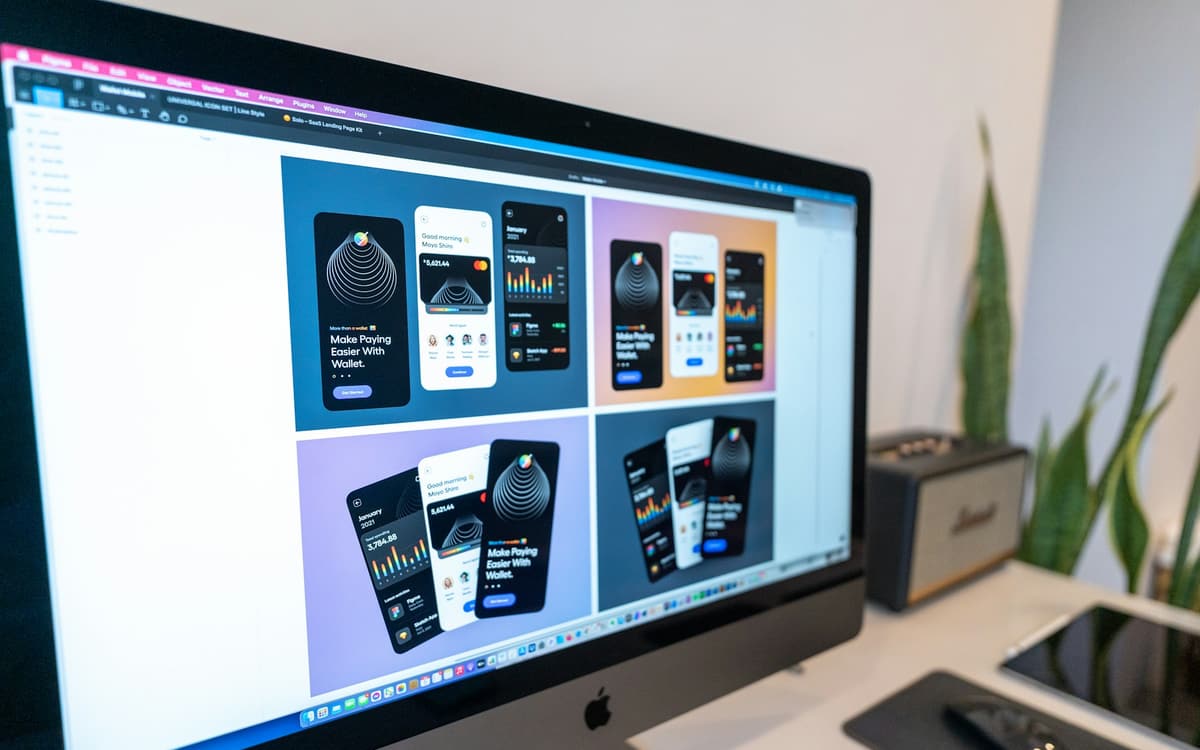
- 4. Shipped work in context: crisp mockups, live screenshots, clean code excerpts or before/after comparisons.
- 5. Tangible outcome: quote requests doubled, load time cut by two-thirds, event sold out, or client testimonial.
4. Tailoring proof by profession
- Graphic and brand designers: show cohesive systems across logo, type, palette, packaging and social assets rather than isolated marks on white backgrounds — see our complete branding guide.
- Developers and engineers: pair a live working demo with a clean GitHub repository and a thoughtful `README` explaining architecture, performance and security.
- Community managers and content strategists: share campaign goals, a sample editorial calendar and monthly KPI report (qualified reach, clicks, leads) and top-performing posts.
- Writers, analysts and researchers: curate published pieces, structured briefs or anonymised audit excerpts.
5. Building a credible portfolio when starting with zero clients
Never wait passively for paid work before assembling proof. Three honest routes work remarkably well:
- Realistic self-initiated briefs: design a full identity, website or campaign for a plausible local business (a Dakar roastery, a savings app, a cultural festival) under realistic constraints, labelled transparently as `Concept / Self-initiated study`.
- Problem-solving redesigns: pick a broken everyday user flow, public poster or local site, diagnose the friction respectfully, and demonstrate a cleaner, faster solution.
- One real pro-bono build for a neighbourhood shop or NGO: shipping one real project with real constraints outweighs ten classroom exercises — see landing your first freelance clients in Senegal.
6. Website vs PDF deck: why having both wins
- A fast, lightweight website: essential for search visibility, LinkedIn and e-mail signatures. Compress every image below 150 KB so pages load instantly on mobile data — see designing for slow connections.
- A tailored 10-to-15-page landscape PDF (< 5 MB): ideal for job portals or sending a custom three-project selection directly via e-mail or WhatsApp to a prospect in a specific sector.
7. Respecting NDAs and client permissions
Check contract terms before publishing client deliverables publicly. When work falls under an NDA, ask permission to share anonymised metrics or reserve detailed walkthroughs for live interviews.
High-converting portfolio checklist
Ready to showcase your company, studio or product through a bespoke, fast-loading website? Let’s talk.