

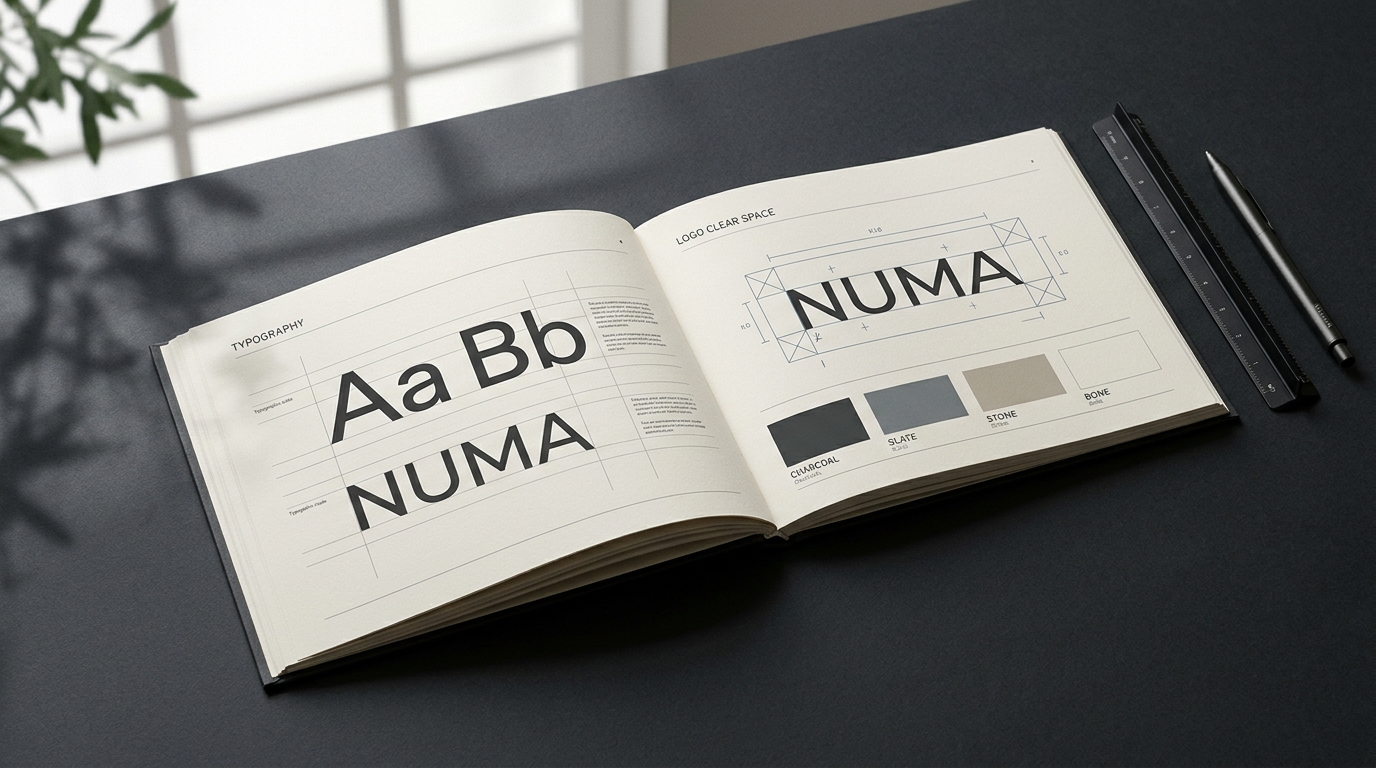
How to create a brand style guide: the complete step-by-step guide
Full anatomy, 7 essential pillars (logo, typography, colours, grids, iconography), formats tailored to business maturity, common pitfalls, and a copy-paste checklist.
Design, workflow, impact and web: what we learn working from Dakar and Saly.
Full anatomy, 7 essential pillars (logo, typography, colours, grids, iconography), formats tailored to business maturity, common pitfalls, and a copy-paste checklist.

Why 90% of brand platforms fail, 5 proprietary visual frameworks, the Golden Brief with 7 unfiltered questions, pricing power mechanics, and a complete copy-paste creative brief canvas.

How to build an online sales engine tailored to real West African buying habits: fast mobile catalogues, Wave and Orange Money checkout, WhatsApp closing, cash-on-delivery balance and last-mile logistics.

Sourcing RFPs, reading Terms of Reference (ToR), passing administrative compliance gates, writing a persuasive technical methodology and pricing your financial offer sustainably.
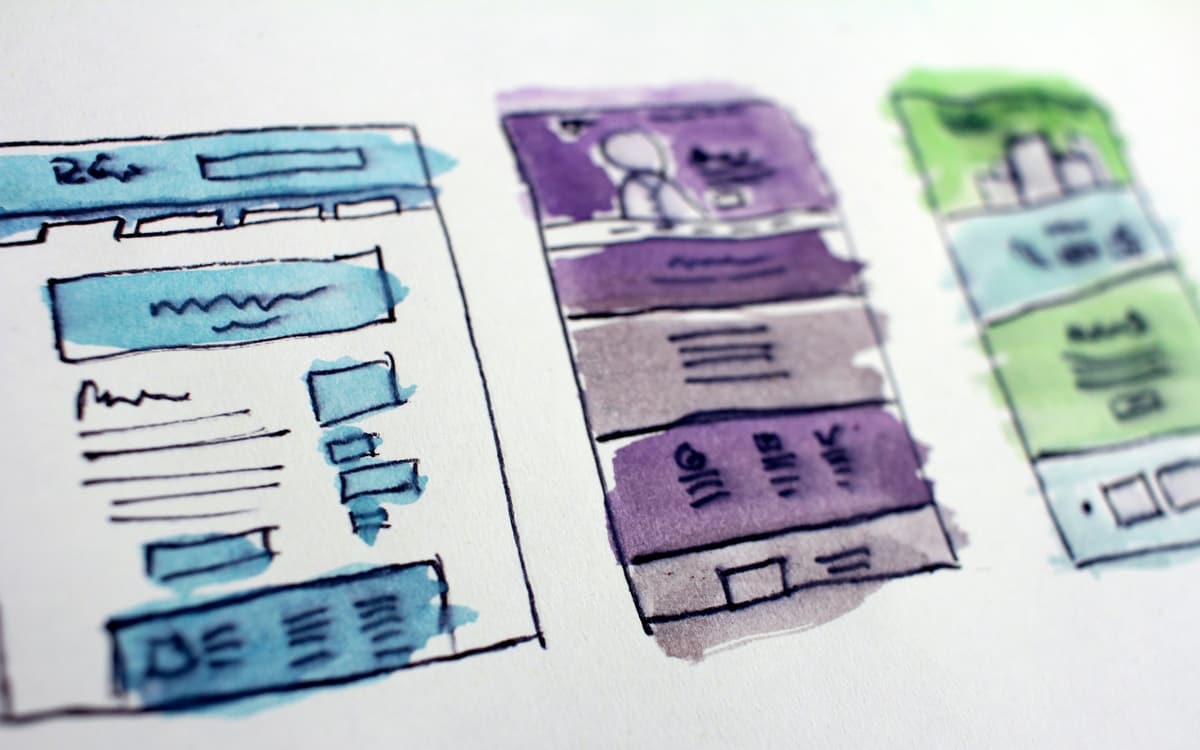
A practical 8-section framework to scope your project clearly, compare agency or freelance quotes apples-to-apples, prevent timeline drift and ship the right product.

Choosing the right OHADA legal structure, registering through APIX, obtaining your RCCM and NINEA numbers, realistic costs and essential tax basics to launch cleanly in Senegal.

Grants, public guarantee funds, microfinance, bank loans, angel investors and calls for proposals: how to target the right funder, assemble a complete file and navigate every step through disbursement.

Zero-click search shifts, floods of synthetic filler, deepfakes, copyright battles and why original reporting, human voice and direct audience relationships are becoming more valuable than ever.

Vector drawing, editorial layout, UI, retouching, colour management, type foundries, prepress checks and plugins: a complete, pragmatic setup for fast, rigorous design work.

Scheduling, visual templates, short-form video editing, captions, social listening and analytics: a realistic AI-era stack to save hours without sounding like a generic bot.

Content pillars, building a sustainable editorial calendar, daily community moderation and a monthly reporting framework that ties social media to real business outcomes.

Design, music, film, fashion, publishing, gaming, visual arts and media: mapping the creative economy, tackling IP and funding hurdles, and building durable creative businesses.

Open data, participatory budgets, civic reporting, access to rights and public transparency: what civic tech really is, why flashy apps fail and how to build inclusive public tools.

Frontend, backend, APIs, cloud hosting, mobile payments, no-code vs custom code: essential foundations to steer a digital project without technical debt or wasted budget.
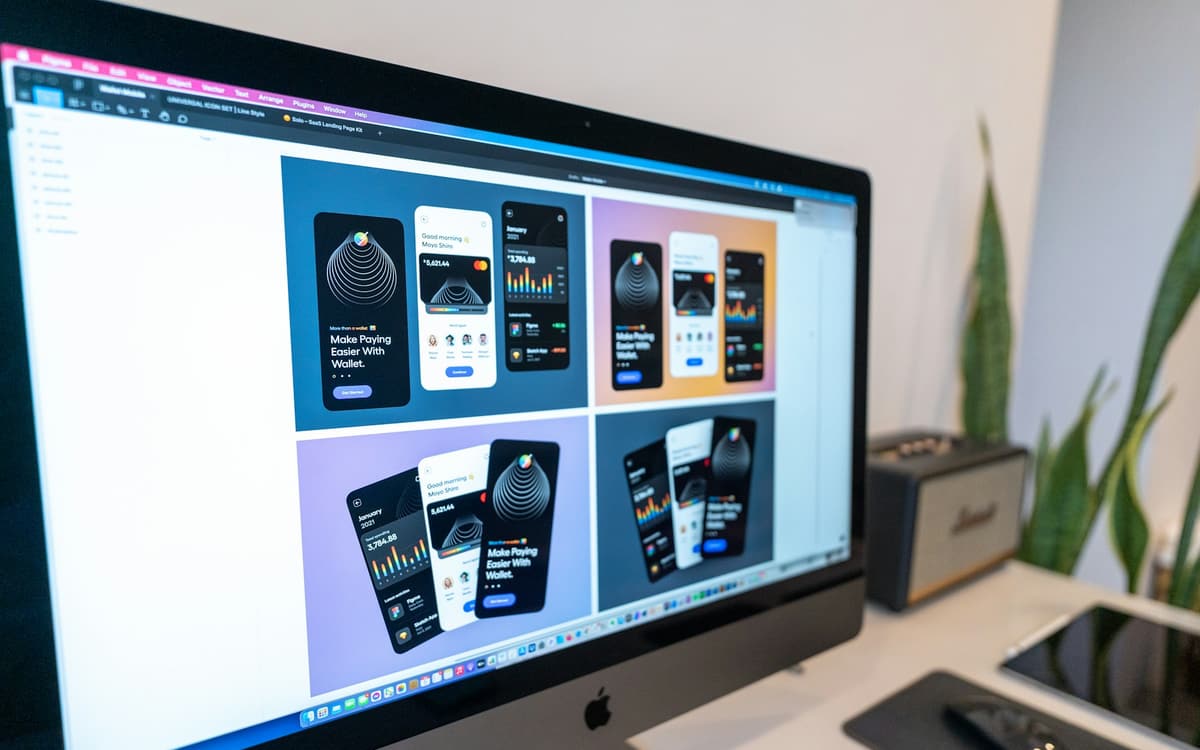
Project curation, structuring case studies that prove real business value, choosing between a website and a fast PDF, and building strong samples when starting out.

One-page hierarchy, impact-driven bullet points, regional norms and practical rules so your CV parses cleanly in Applicant Tracking Systems (ATS) and convinces human recruiters.

Passwords, two-factor authentication, e-mail and WhatsApp scams, phone security, Wi-Fi, backups and emergency steps if breached: the practical habits that stop the vast majority of attacks.

Text, sourced search, document analysis, images, audio and code: an honest guide to genuinely usable free AI tools, hidden traps to avoid and a zero-cost starter stack.

Writing, document research, images, voice, video, data, code and workflows: a clear guide to matching the right type of AI to each task, prompting well and avoiding costly mistakes.

From the literature review to final submission: structuring your chapters, writing in clear academic prose, managing citations without plagiarism and staying on schedule.
Minute-by-minute structure, exact opening and closing phrases, slide design, voice, eye contact, handling nerves and answering tough questions from the committee.

Moving beyond a task diary: how to structure your Master’s internship report around a real business problem, analyse your assignments and propose actionable recommendations.
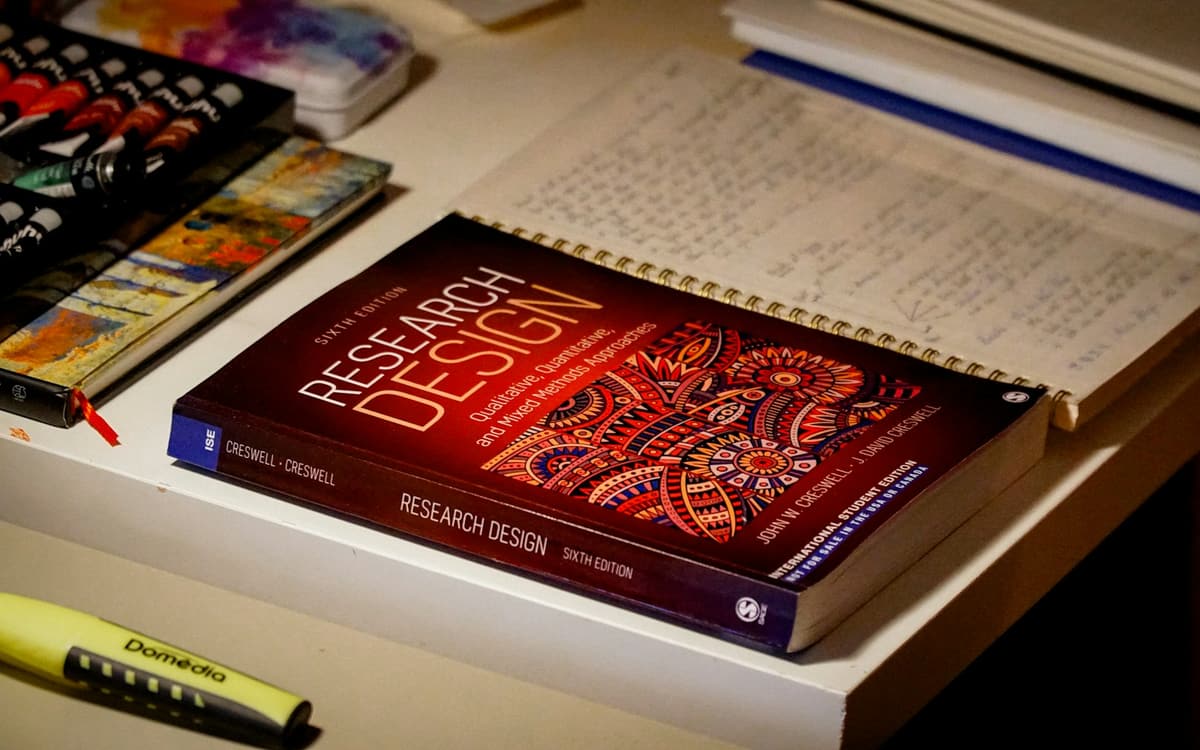
From a broad theme to an approved proposal: how to build a feasible research question, state your hypotheses, choose your fieldwork and convince your thesis supervisor.

What the figures say about women founders and leaders in African tech, why the gap persists, and what women, employers and their allies can do.

The 17 Sustainable Development Goals explained simply, where the world stands in 2025, and a method for your activity to genuinely contribute, with indicators and honest communication.

Objectives, audiences, messages, channels, calendar, budget, indicators, crisis handling: the complete method, with a 12-month sample plan and templates to copy.

Logo types, the step-by-step creation process, principles of shape, colour and typography, tests, variants, presenting to the client and the contract.

What branding really is, its four components, the six-phase process, touchpoints, staged budgets, and personal branding for freelancers.

Positioning, brand platform, personas, value proposition, tone, architecture: every step to build a solid strategy, with a full example and templates to copy.
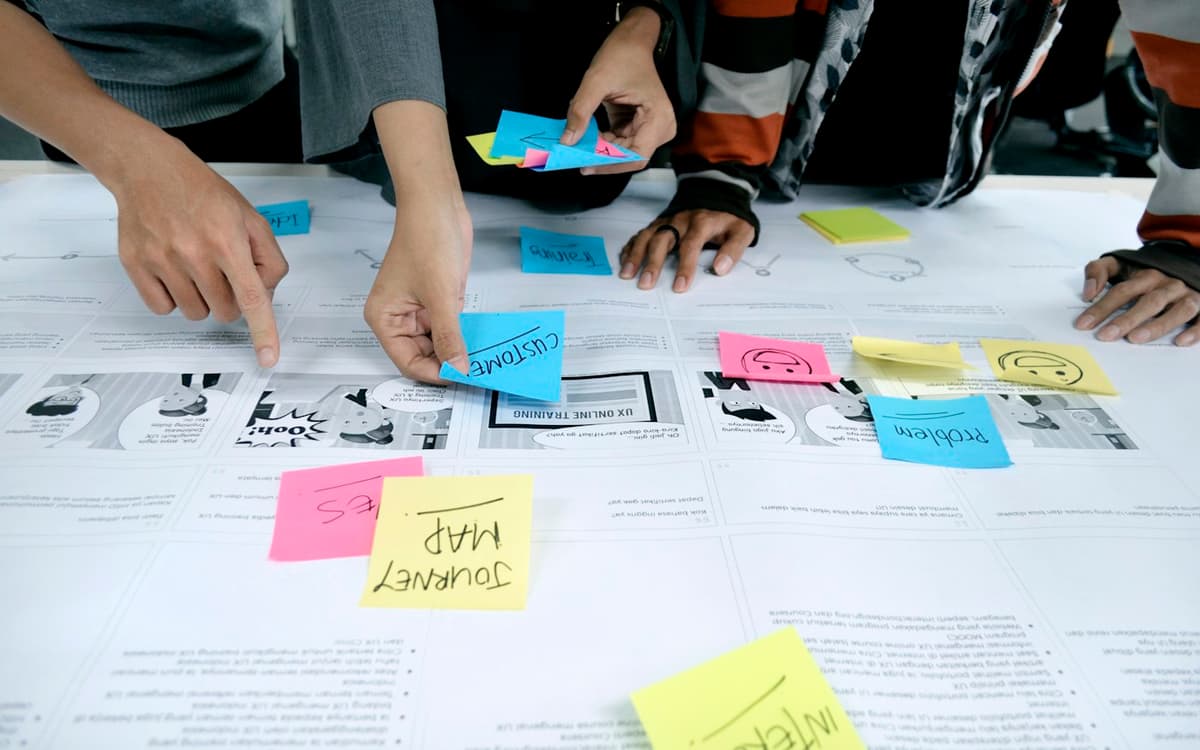
Judgment, taste, briefing, relationship, domain expertise, tool literacy: what they cover, why they hold up, and concrete exercises to train them.

A concrete plan, week by week: audit your work, choose your tools, move up-market, specialise, sell differently. No jargon, no panic.

World Economic Forum report, ILO study, surveys of creatives: an honest overview, with the figures, their limits, and the difference between an automated task and a vanished job.

Minimum content, mobile first, Google Business profile, local search: the guide to a useful website and being found, without being sold what you do not need.

Choose by your goal and your customer, not by fashion: the role of each network, a one-main-network plan and a sample editorial calendar.

SVG, PNG, PDF, light, dark and black-and-white versions, naming, folders: the complete checklist to never get “can you send me the logo again?” again.

Portfolio, WhatsApp outreach, quote, deposit via Wave or Orange Money, simple contract: the method to start cleanly, with templates to copy.

Concept to Vector, Prompt to Edit, Text to Vector, generative credits: what these tools do, how to use them without losing control, and what remains of the craft.

AI-generated logo, retouched image, text drafted with an assistant: the questions to ask, the evidence to keep, what to write in the quote.

How to turn WhatsApp into a storefront that reassures and sells, without paying for a tool: settings, catalogue, canned replies and consistent visuals.
Name, logo, colours, typefaces, brand guide, first materials: the order to follow and the traps to avoid, with a checklist to copy.

Bill by time spent or by value delivered? Five markers for a price you can defend.

A recognisable visual identity is built with a few templates and a routine, not with more hours.
Too much detail, no black-and-white version, minimum size forgotten: the mistakes that come up most.

A good palette is short and ranked. Here is how to build it and keep it from drifting.

Two well-chosen fonts are enough to set a tone. How to select them and make them work together.

In Senegal as elsewhere, many visitors arrive on a phone with an unreliable network. What that changes for a website.
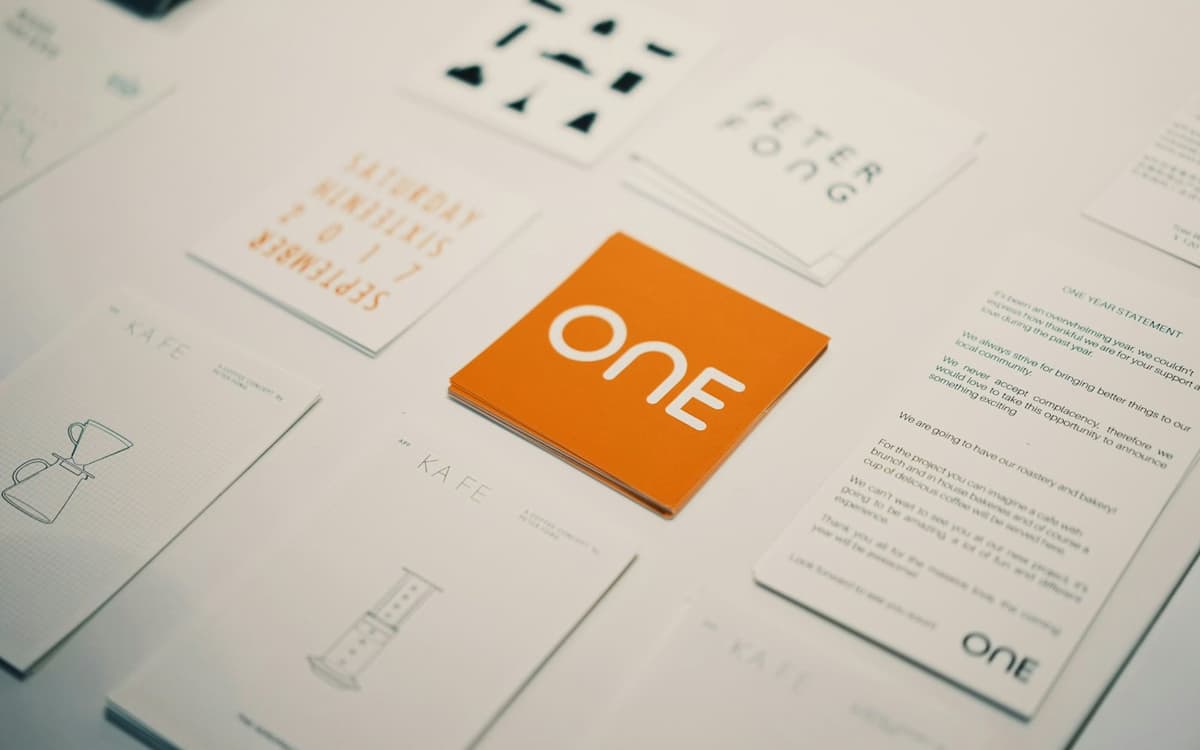
Many brand guides end up in a folder nobody opens. Five choices so that yours gets used every day.
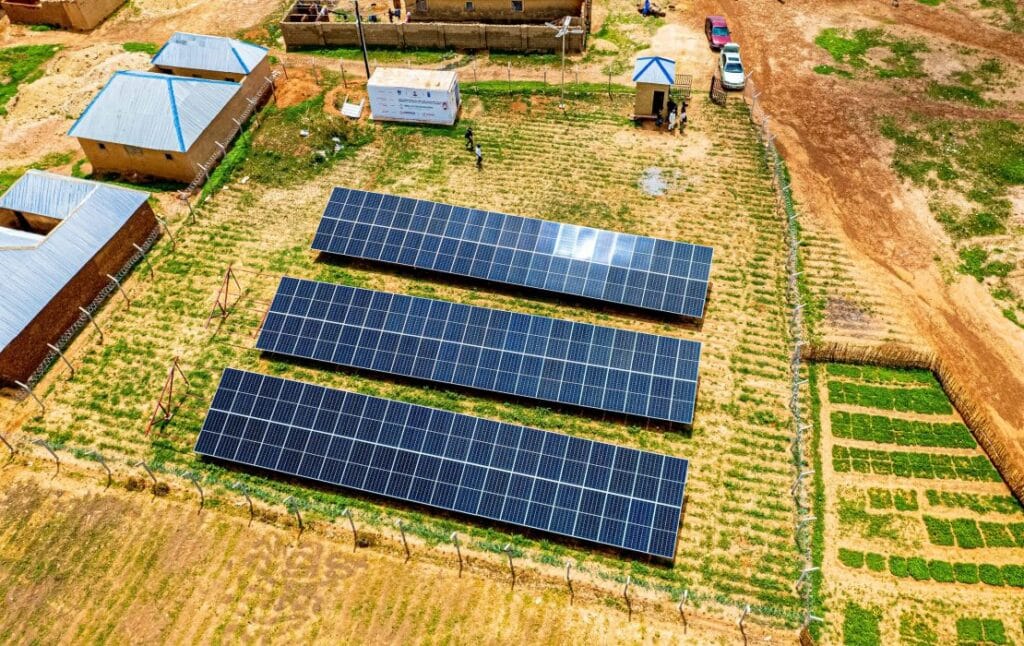
A solar minigrid powers a village without waiting for the national grid. What the African programme aims for, in figures.

If you do it more than three times, a machine can do it for you. The five most obvious candidates.

A grid is not decoration, it is the first layout decision. Here is how to pick one without guesswork.
No articles match your search.
