You have seen those little coloured icons on reports, websites, posters: they are the Sustainable Development Goals, or SDGs. Many companies, associations and institutions refer to them. But what do they concretely mean for a small business, a creative agency or an entrepreneur in Senegal? And how do you commit without “SDG-washing”, that is, dressing up in commitments you do not keep? This guide answers practically.
It echoes our page on the Africa Minigrids Program, which touches in particular on access to clean energy, and our article Africa Minigrids: why local solar power changes the game.
1. The SDGs in brief
The SDGs are 17 goals adopted in 2015 by United Nations member states as part of the 2030 Agenda. They are broken down into 169 targets. The idea: mobilise states, businesses, civil society and citizens to address common challenges by 2030.
The 17 goals
- No poverty.
- Zero hunger.
- Good health and well-being.
- Quality education.
- Gender equality.
- Clean water and sanitation.
- Affordable and clean energy.
- Decent work and economic growth.
- Industry, innovation and infrastructure.
- Reduced inequalities.
- Sustainable cities and communities.
- Responsible consumption and production.
- Climate action.
- Life below water.
- Life on land.
- Peace, justice and strong institutions.
- Partnerships for the goals.
2. Where do we stand in 2025?
The United Nations SDG report for 2025, published in July 2025, gives a sober assessment. According to the accompanying press release, about 35% of targets are on track or progressing at a moderate pace. A significant share is progressing too slowly, and about 18% have regressed from their 2015 level. In other words: five years remain and the road ahead is long. Source: SDG report 2025.
3. Why it concerns a small business
- Clients (institutions, large companies, NGOs) increasingly ask providers to show their contribution.
- Funding: many donors and programmes ask for alignment with the SDGs.
- Meaning: these goals give a framework for thinking about the impact of your work.
- Differentiation: a sincere, documented approach sets you apart.
4. Pitfalls to avoid: “SDG-washing”
Like “greenwashing”, SDG-washing consists of displaying commitments without matching actions.
- Sticking all 17 icons on a website without doing anything.
- Claiming a goal without being able to prove it.
- Exaggerating the impact: “we are saving the planet” for a modest action.
- Ignoring the negative effects of your activity.
5. A six-step method
Step 1: map your activity
List your activities, purchases, how you produce and deliver, your clients, your team. Where are the links to the SDGs, positive and negative?
Step 2: choose three to five priority goals
Choose those on which you have real leverage. For a creative agency, for example:
- SDG 4 (Quality education): training young people, sharing skills.
- SDG 5 (Gender equality): hiring and paying fairly, supporting women in tech. See Women and tech.
- SDG 8 (Decent work): good working conditions, fair payment of freelancers.
- SDG 9 (Innovation): producing tools useful to others.
- SDG 12 (Responsible consumption): limiting paper and printing, choosing responsible suppliers.
- SDG 13 (Climate): reducing your digital and energy footprint.
Step 3: move from goals to targets
Each SDG is broken down into precise targets. Choose those that match your action, rather than staying at the general level.
Step 4: define concrete actions
An action = what, who, when, expected result. For example: “Host two interns a year, including at least one young woman, and give them a real project (SDG 4, 5)”.
Step 5: choose simple indicators
Measure with few, clearly defined figures: number of people trained, share of women in the team, kilos of paper avoided, volunteering hours, percentage of local suppliers.
Step 6: report, every year
A short review: what we planned, what we did, the figures, what did not work, what next.
6. Concrete ideas for a creative agency
In the work
- Design materials for public-interest causes at a solidarity rate.
- Offer free tools or templates (that is our approach with free plugins such as Numa Grid).
- Use photographs and visuals representative of real diversity.
In the organisation
- Pay freelancers within the agreed deadlines.
- Offer flexible working conditions.
- Support the team’s continuing training.
In the footprint
- Optimise sites and media to reduce page weight and energy consumed. See designing for slow connections.
- Reduce printing and choose durable materials.
- Switch off, share, reuse.
7. Communicating about the SDGs honestly
- Say what you really do, with facts and figures, including the limits.
- Link each action to a precise goal, not to all of them.
- Talk about results first, before intentions.
- Do not claim others’ results. If you take part in a collective programme, state your share.
- Respect the usage rules for the official SDG logos and icons published by the United Nations: consult them before using them.
- Keep evidence: documents, photos, testimonials.
8. The SDGs and design
Creatives play a particular role: they make complex ideas visible. A few principles for materials that talk about the SDGs:
- Favour clarity: one goal, one message, one figure.
- Avoid visual clichés (a planet held in hands, green arrows).
- Show real people and places, with their consent, respectfully.
- Be accessible: contrast, text sizes, text alternatives.
9. Example: energy (SDG 7) in action
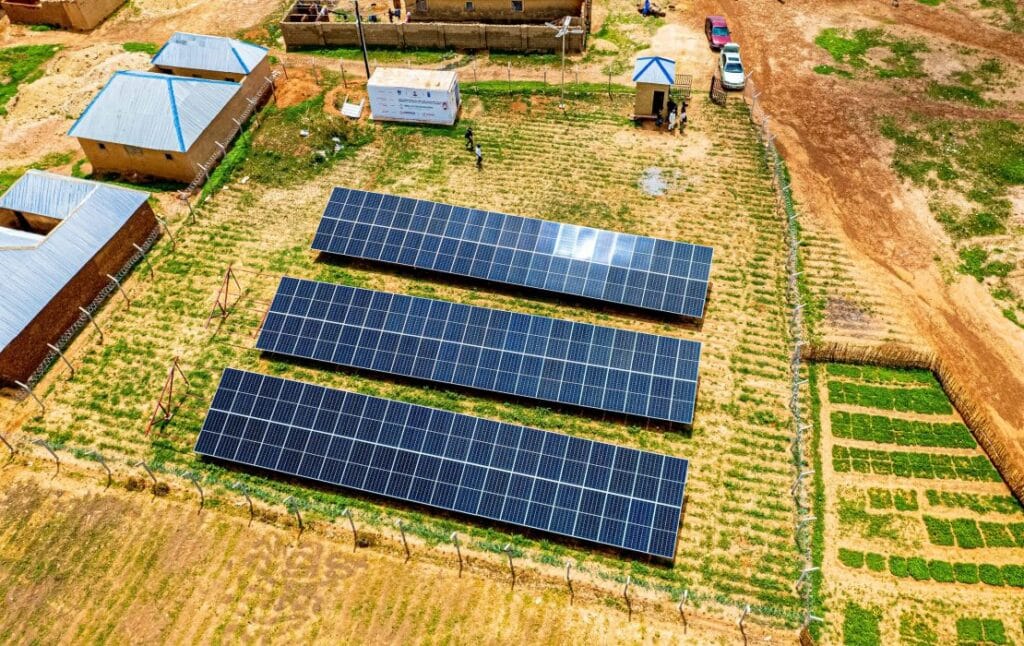
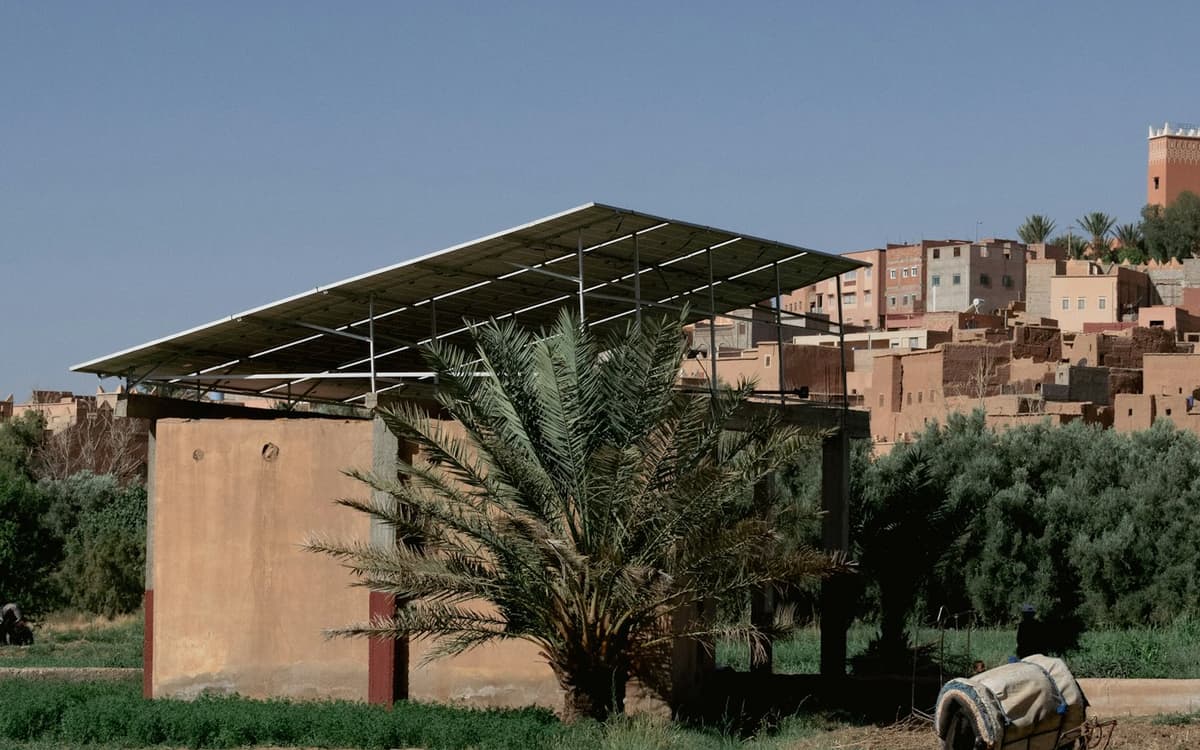
The Africa Minigrids Program aims to speed up the rollout of solar minigrids, and illustrates how one goal (affordable and clean energy) connects to others: health (lit clinics, preserved vaccines), education (electrified schools), decent work (equipped small businesses). The figures are those published by the programme, to be read as its estimates. This knock-on effect between goals is precisely what makes the SDGs useful: they are read together.
10. A 12-month roadmap
11. Common mistakes
- Choosing too many goals.
- Not measuring.
- Communicating before acting.
- Confusing one-off generosity with a lasting approach.
- Forgetting the team: an approach imposed without buy-in does not last.
Checklist
Want to structure your impact approach and tell it without exaggerating? Write to us.