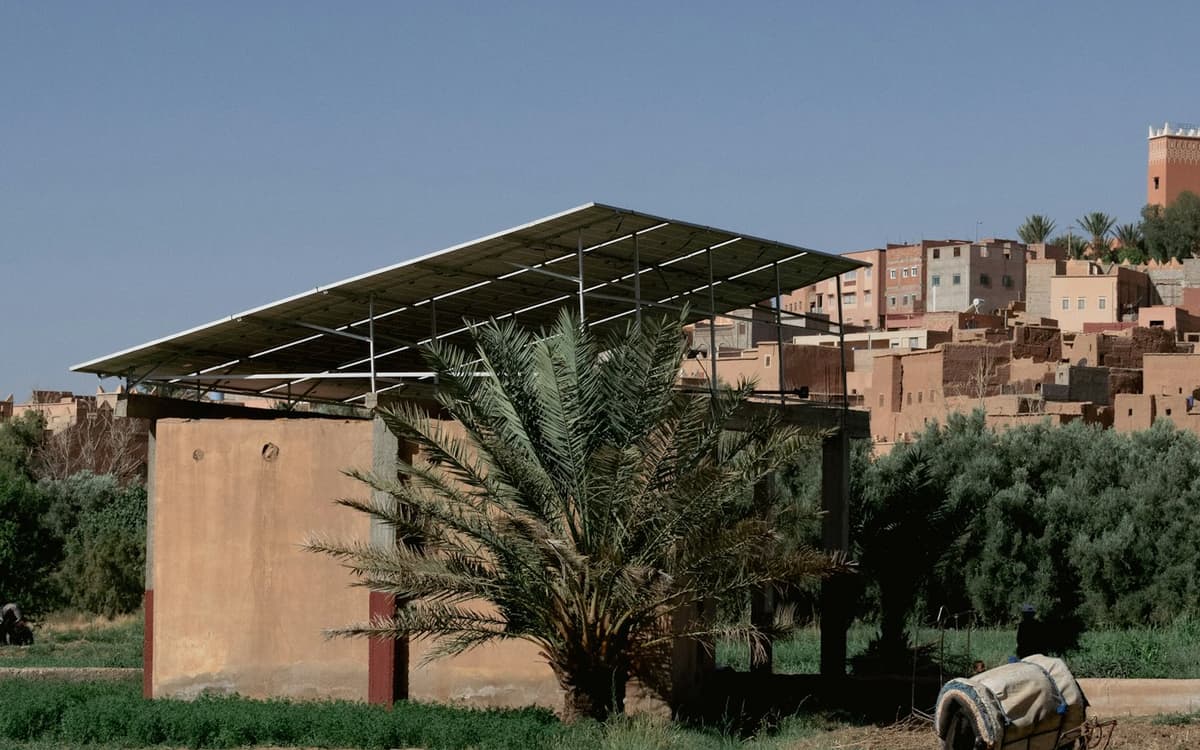
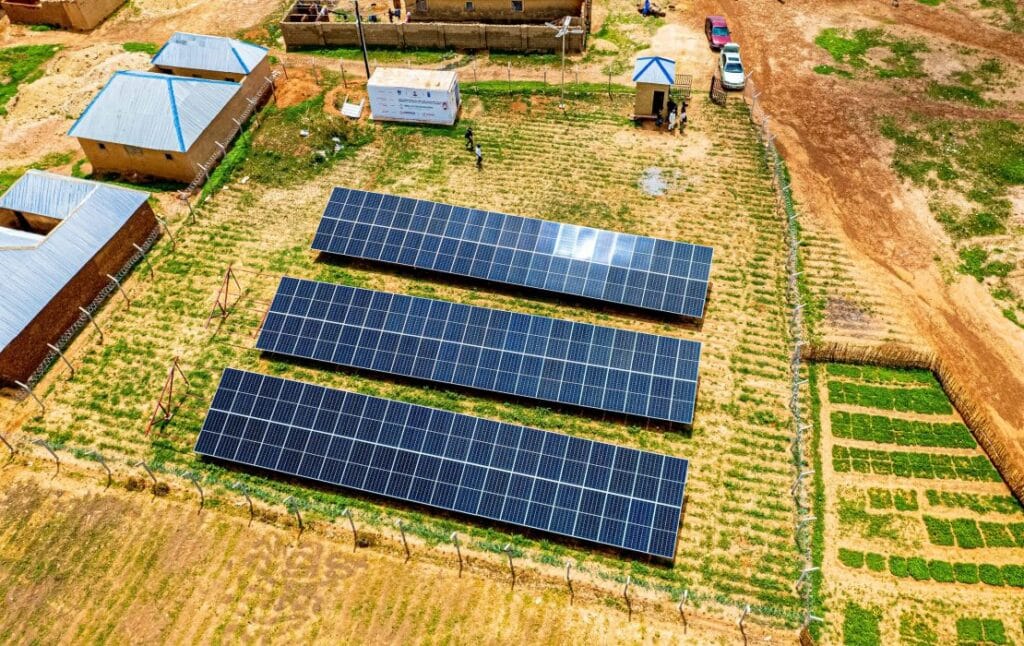
Extending the national grid to every village is expensive and takes years. The minigrid offers another path: produce the electricity on site, with solar panels and batteries, and distribute it to nearby homes, shops and services.
What it changes in practice
- A clinic can keep vaccines cold and keep working after dark.
- A school can light its classrooms and use computers.
- A craftsperson, a shopkeeper or a small workshop can equip itself and produce more.
The programme in figures
The Africa Minigrids Program is a technical assistance programme led by UNDP and the Global Environment Facility, with other partners. According to the information the programme publishes, it runs from 2022 to 2027 across 21 countries and mobilises USD 50 million of technical assistance.
Its estimates point to 110,000 possible minigrids, which could electrify more than 200,000 schools and health centres, and more than 900,000 businesses.
Why we write about it
At NUMA we work from Senegal, where access to energy conditions everything else: education, health, entrepreneurship. We dedicated a page to this programme with its figures, videos and field images. The figures quoted come from the programme itself and should be read as its estimates.